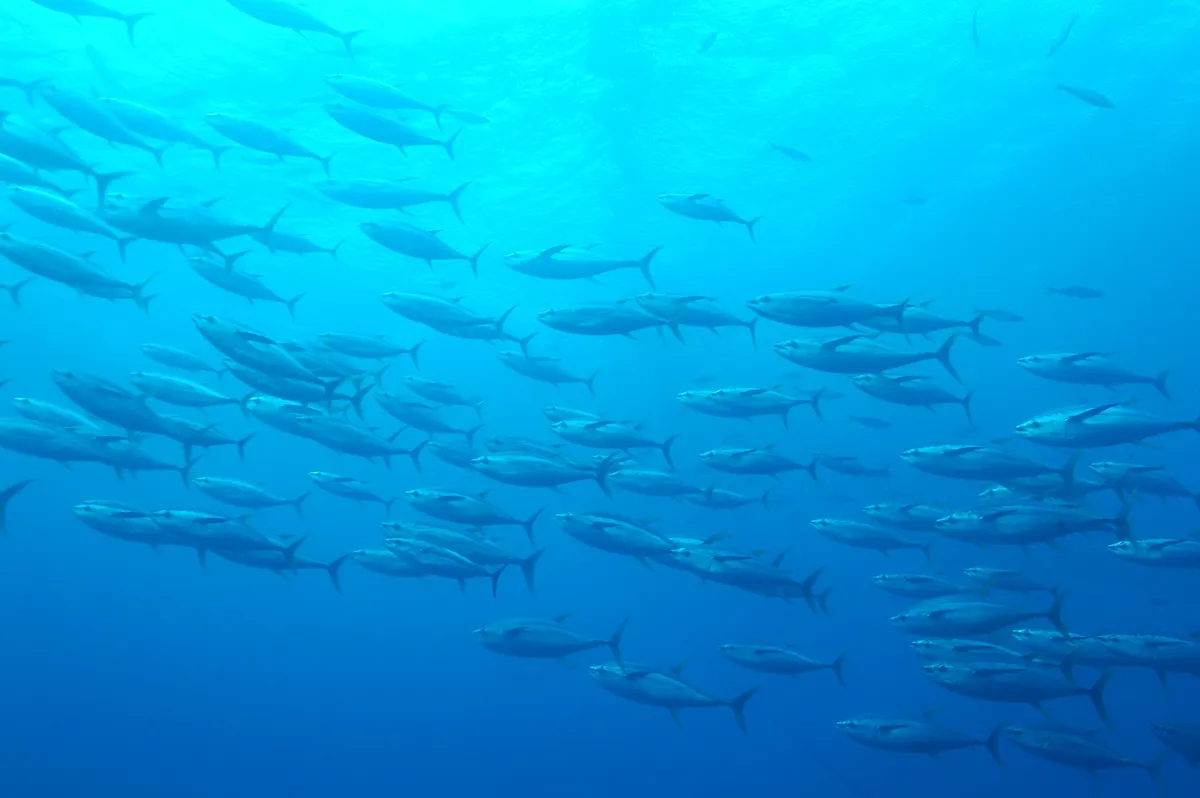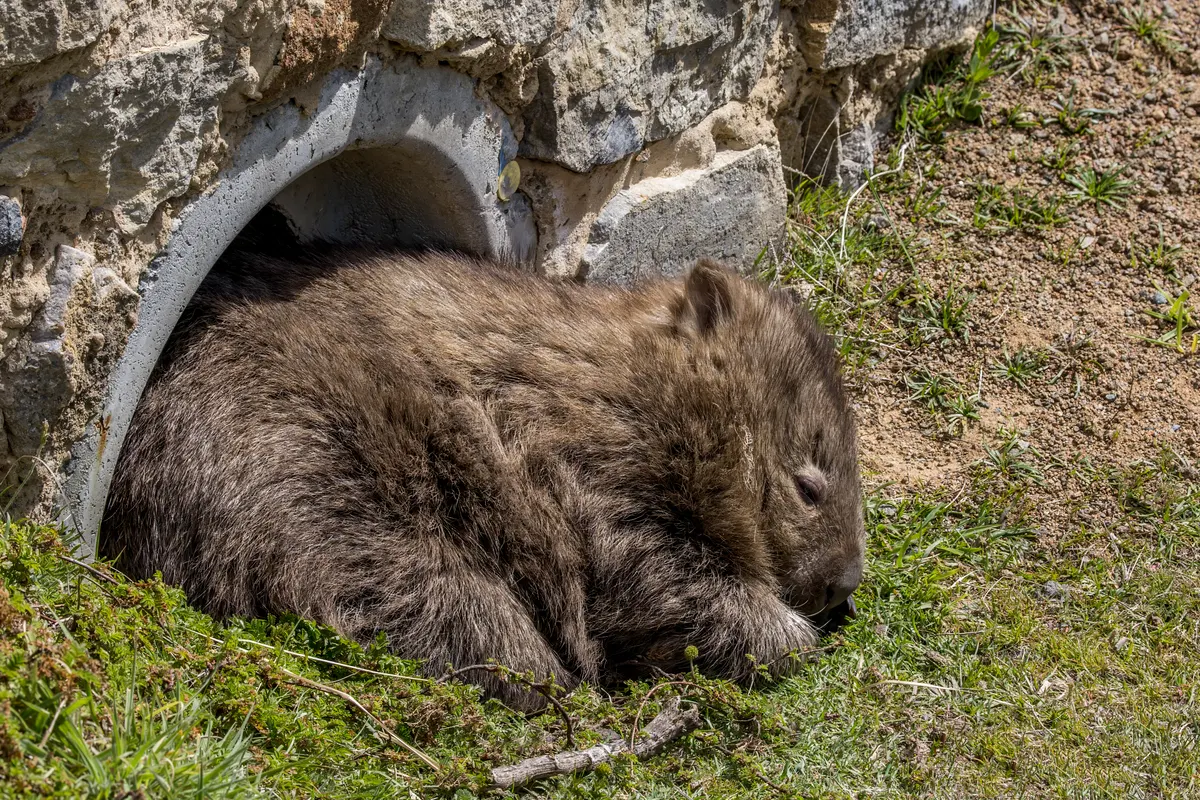
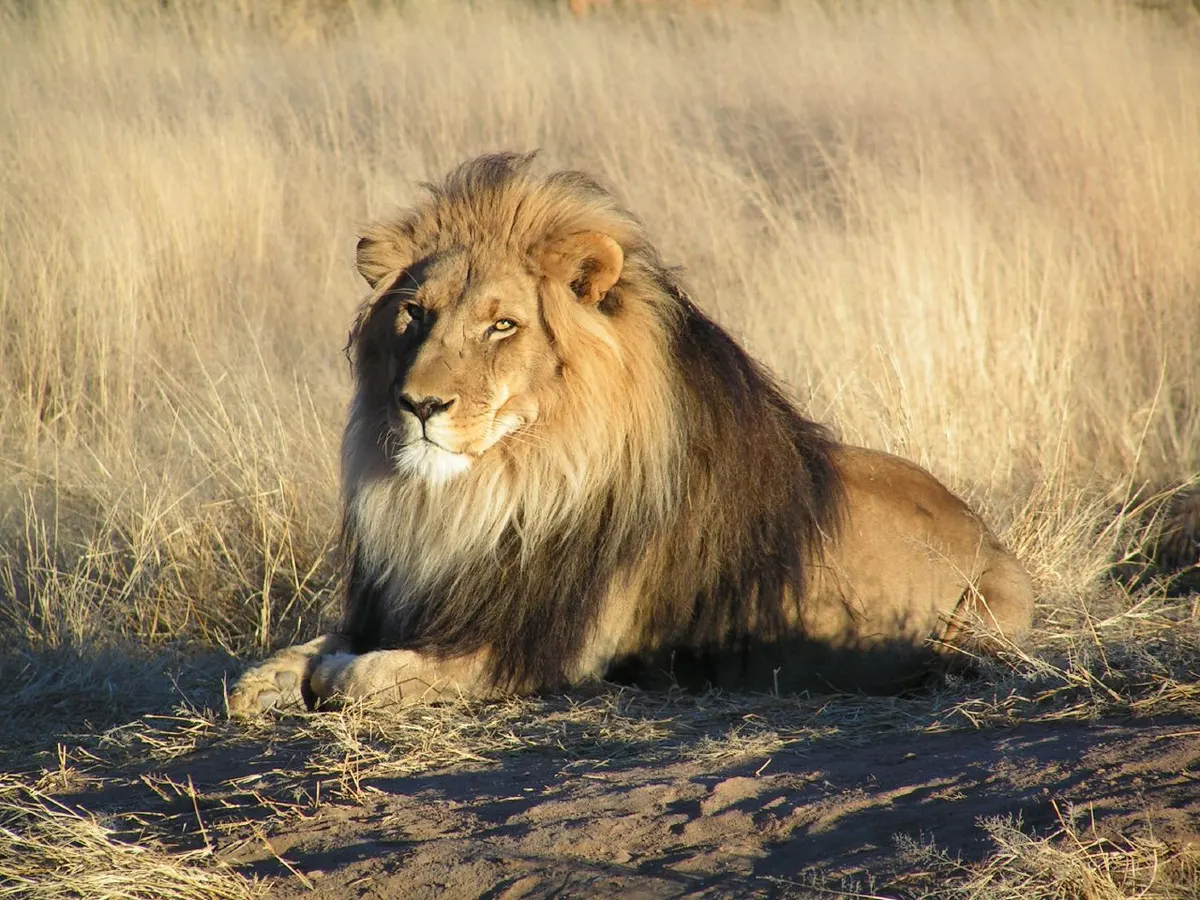
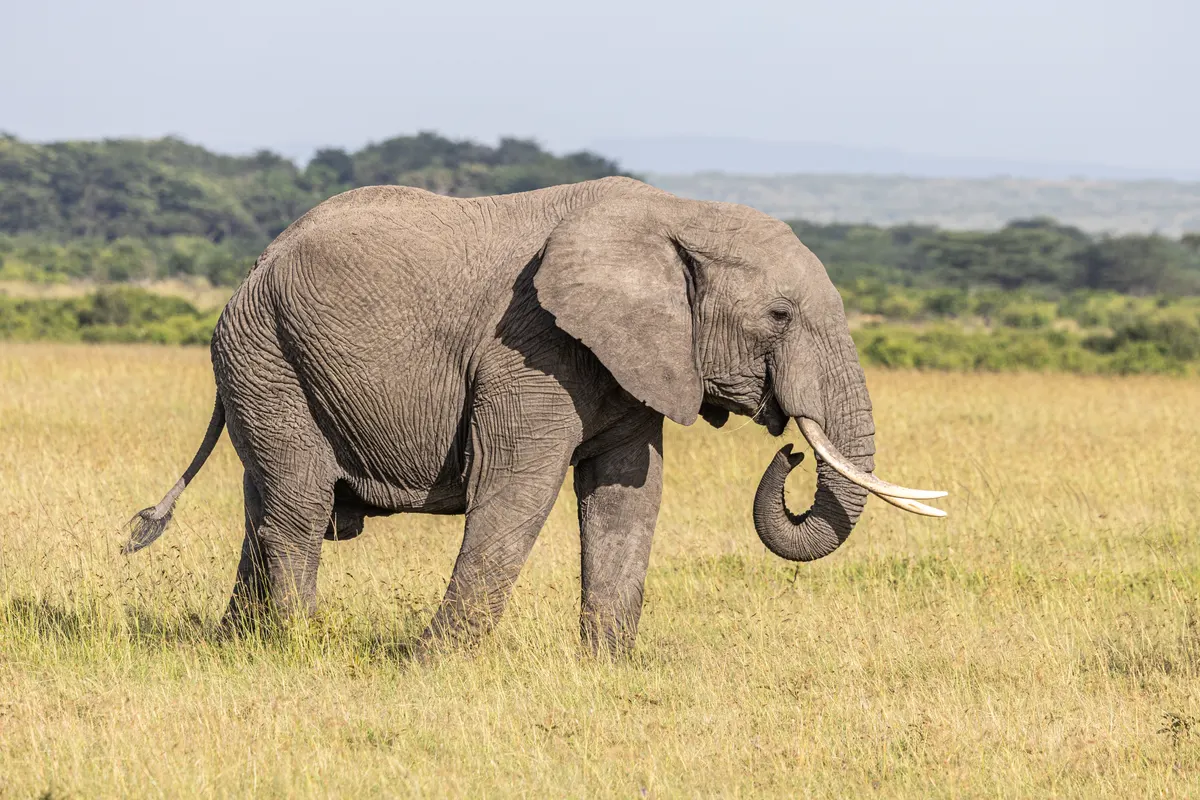
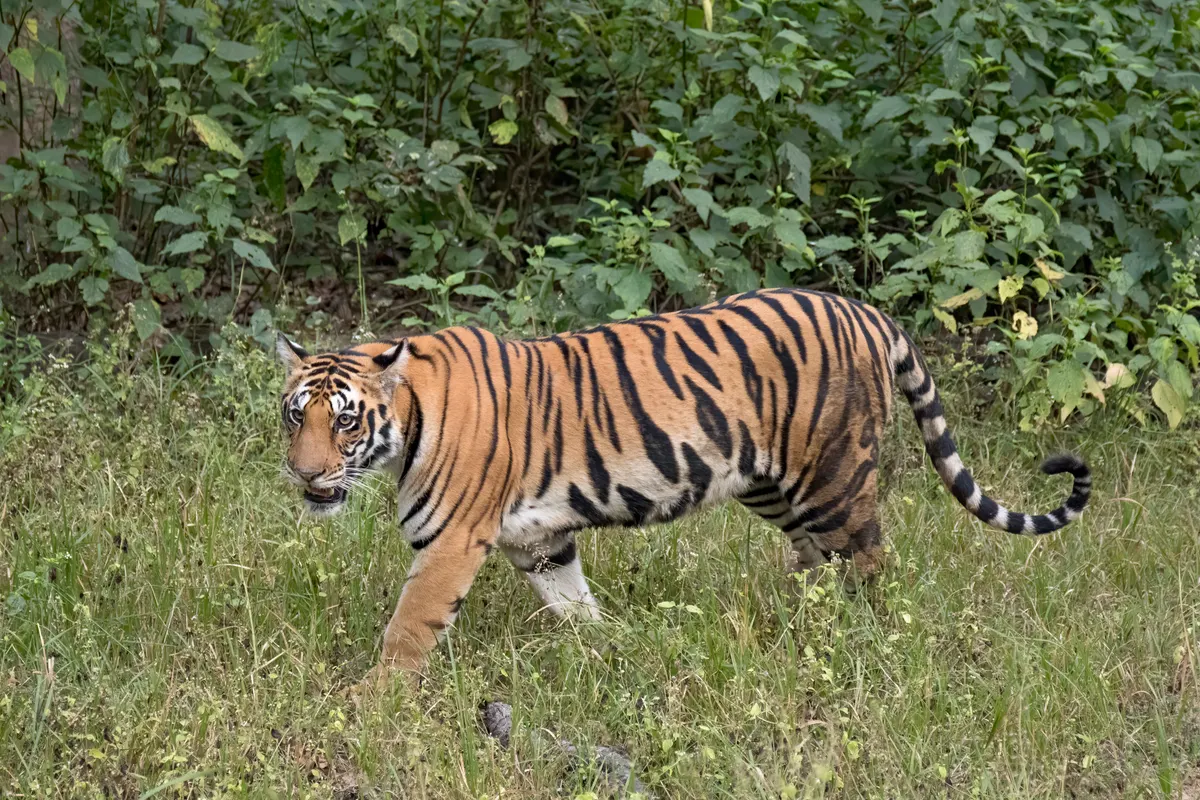
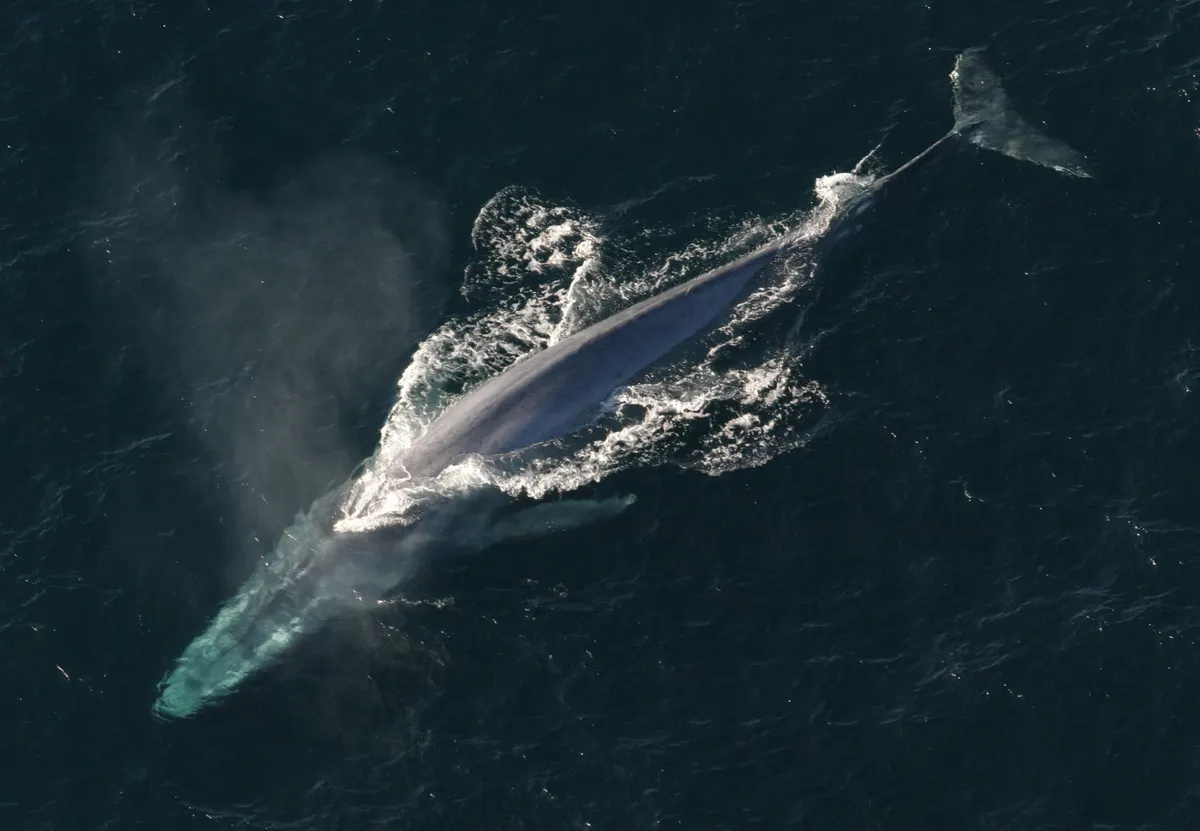
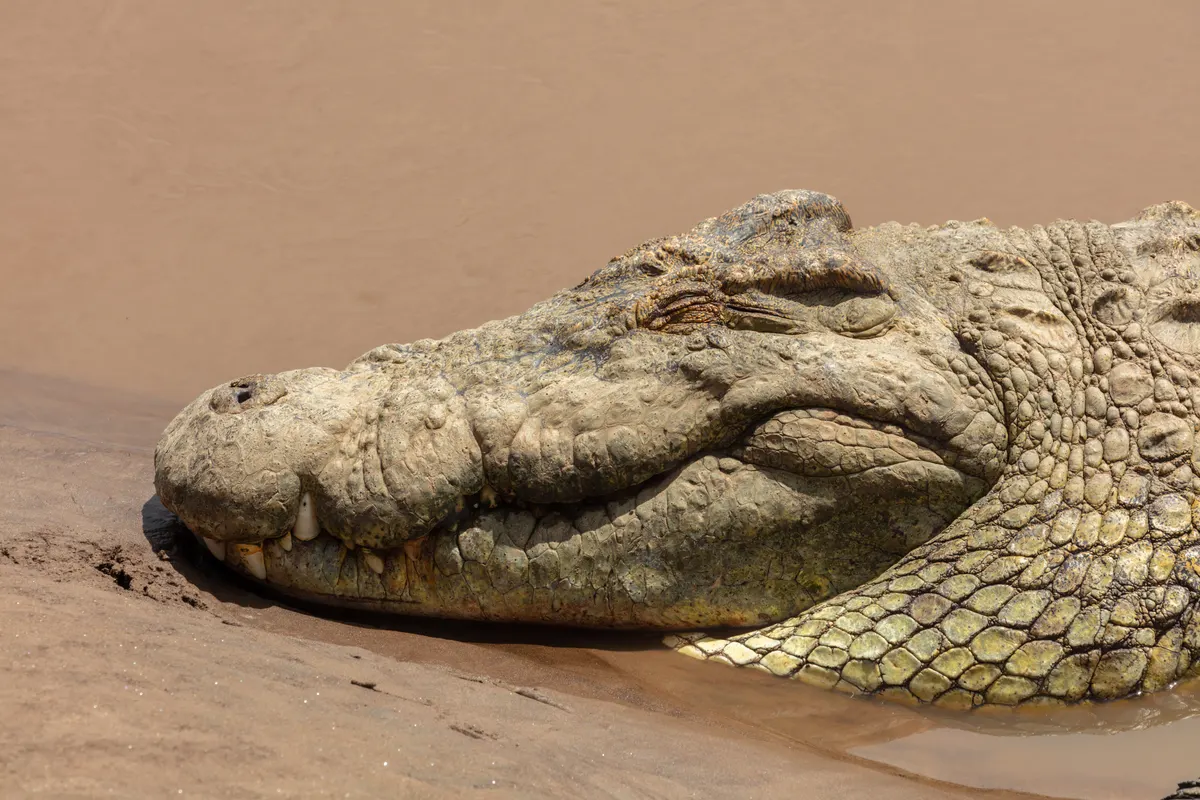
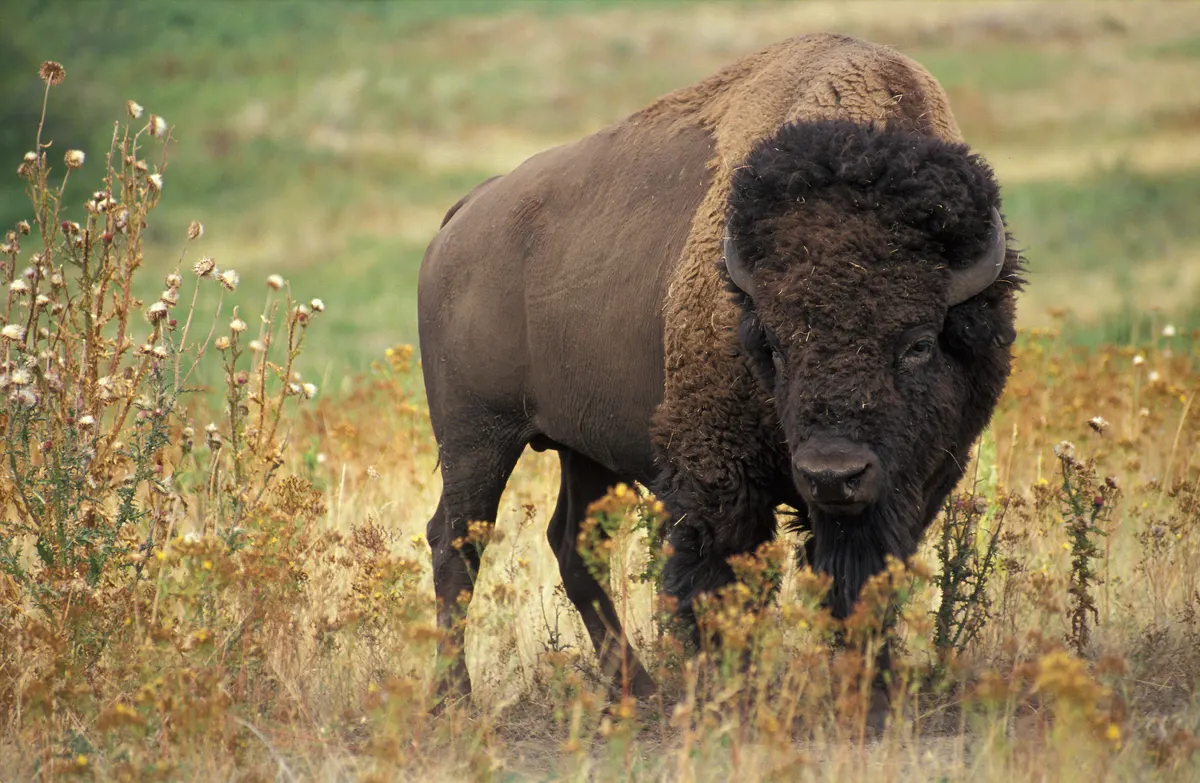
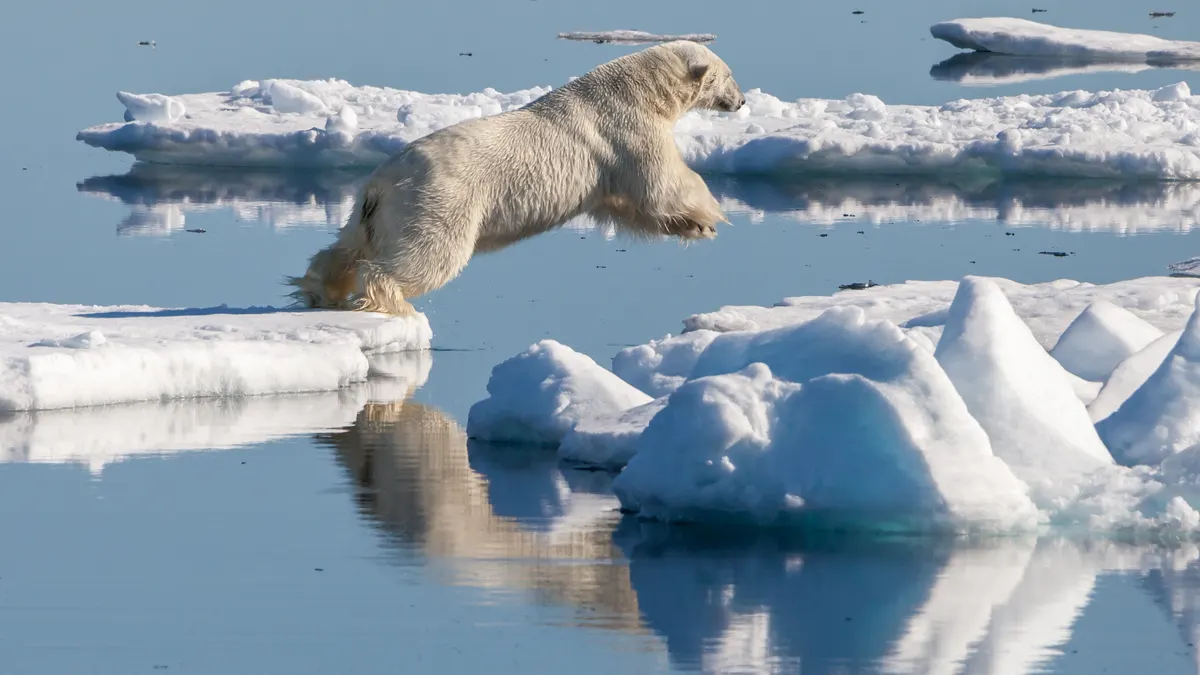
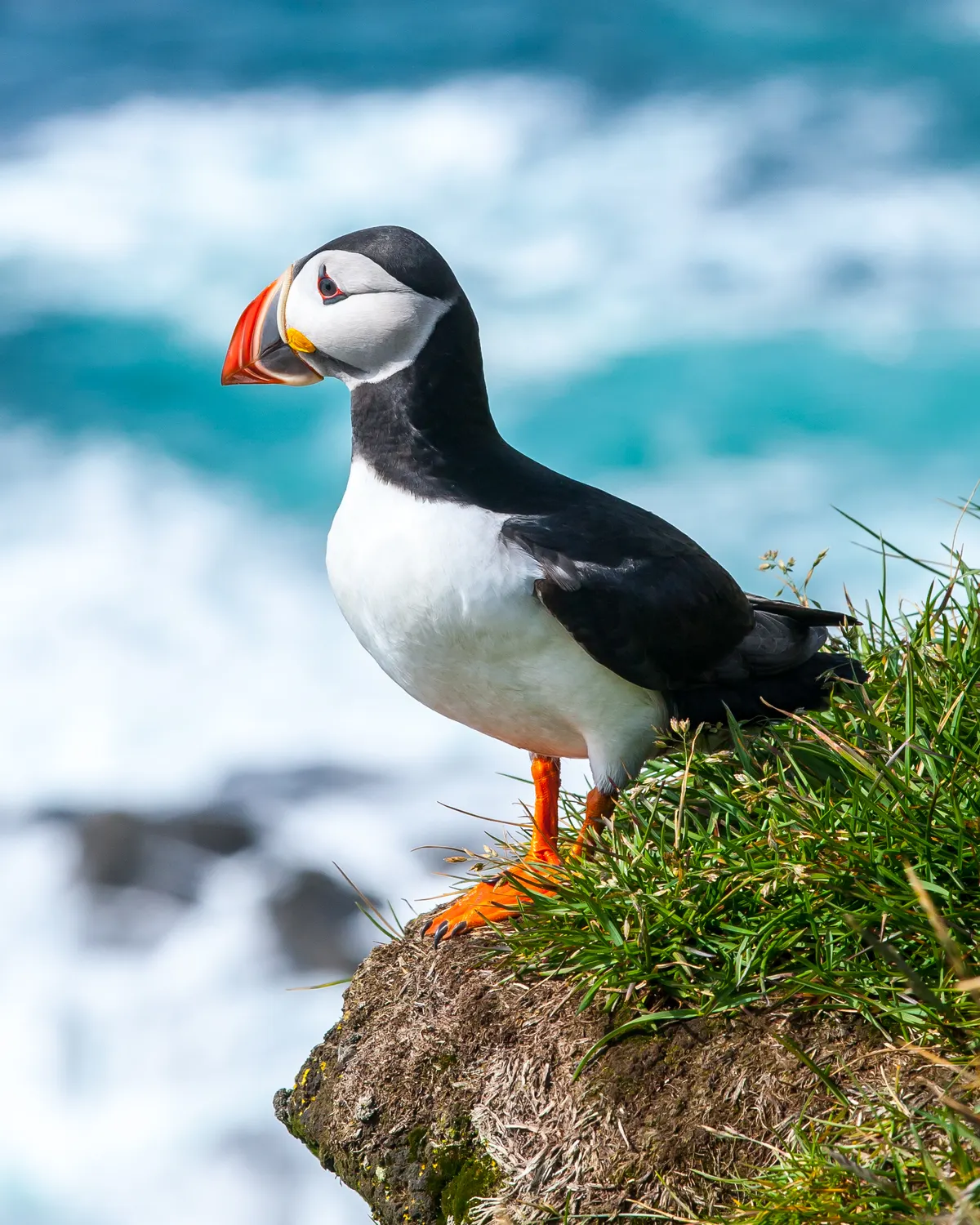
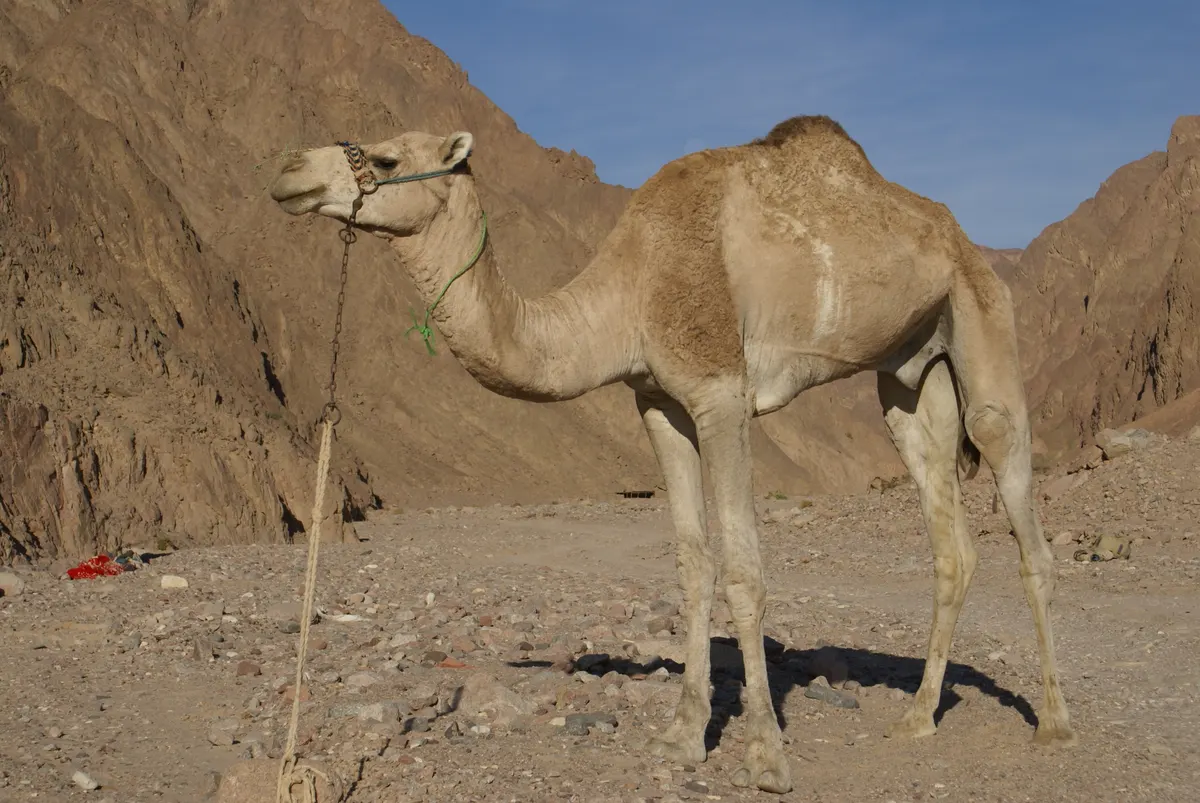
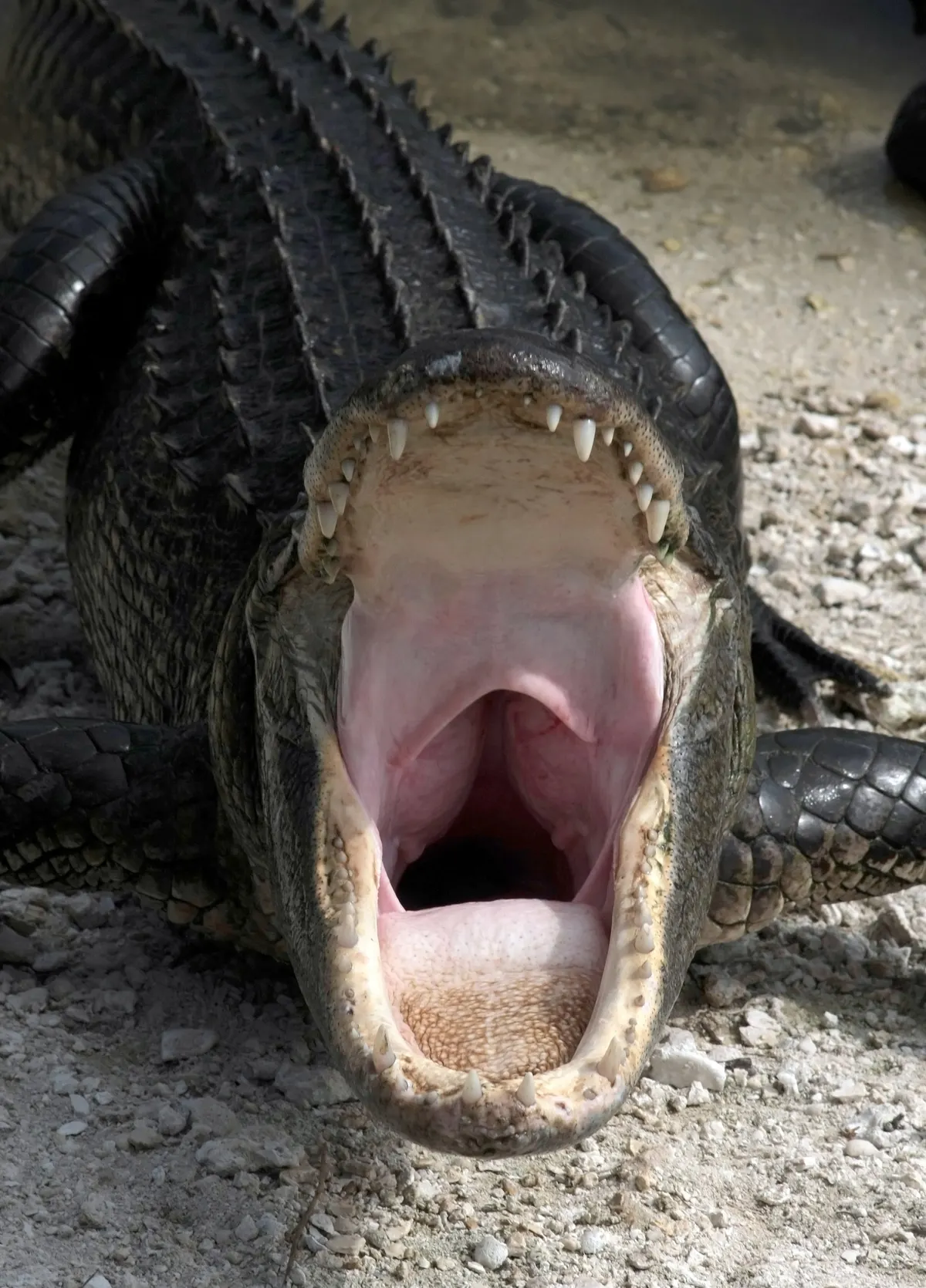
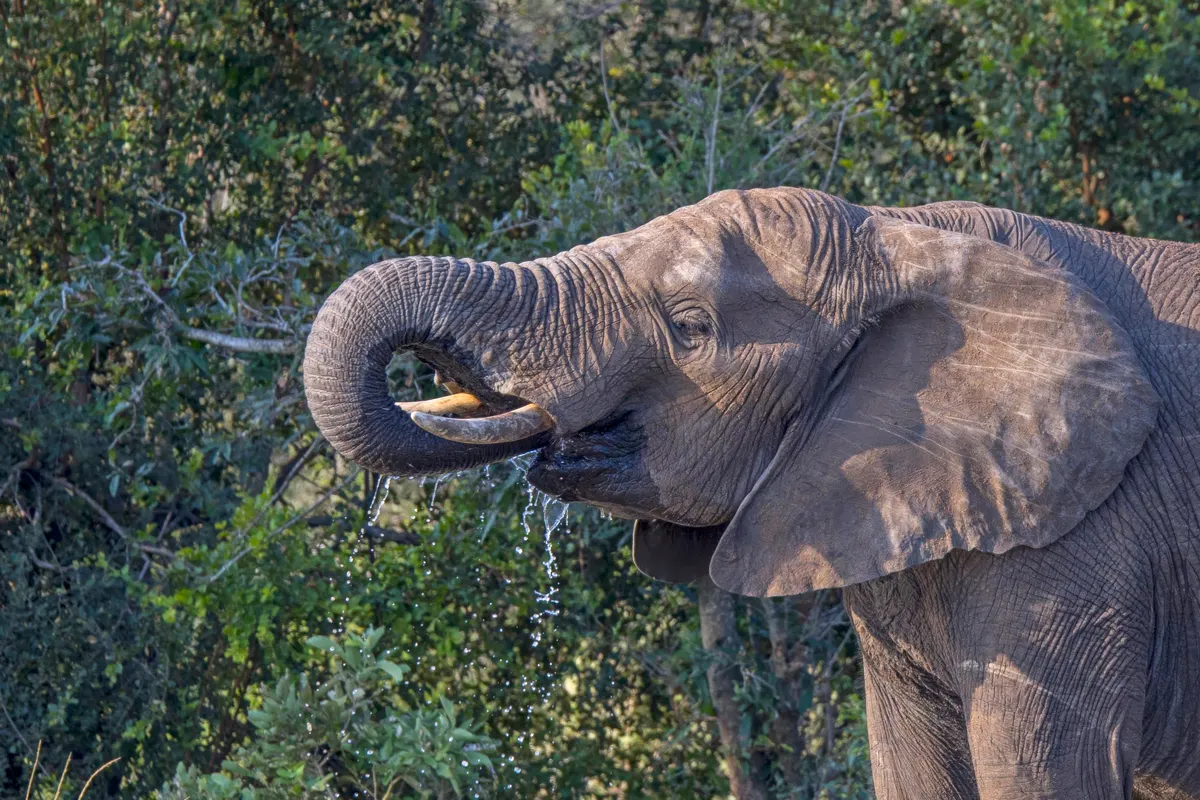
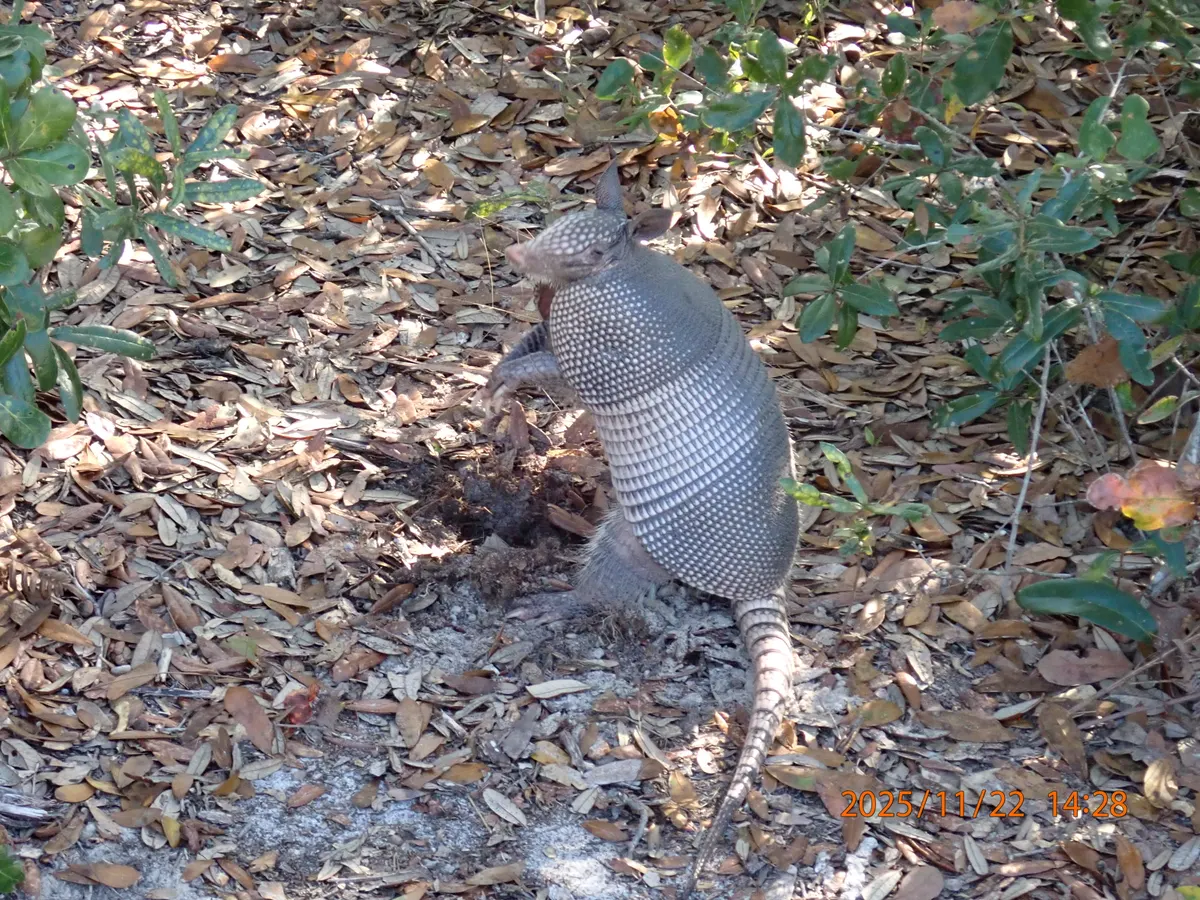
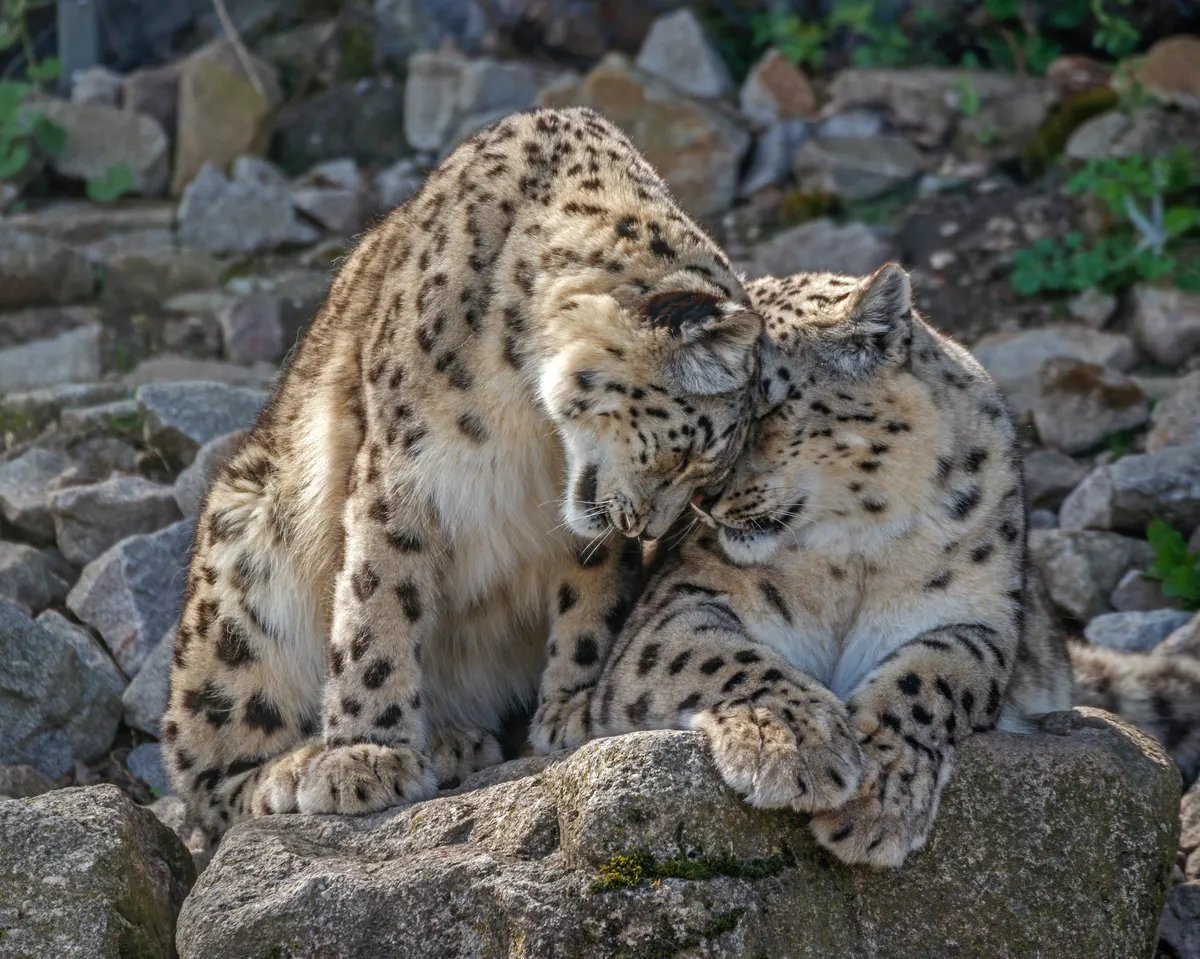
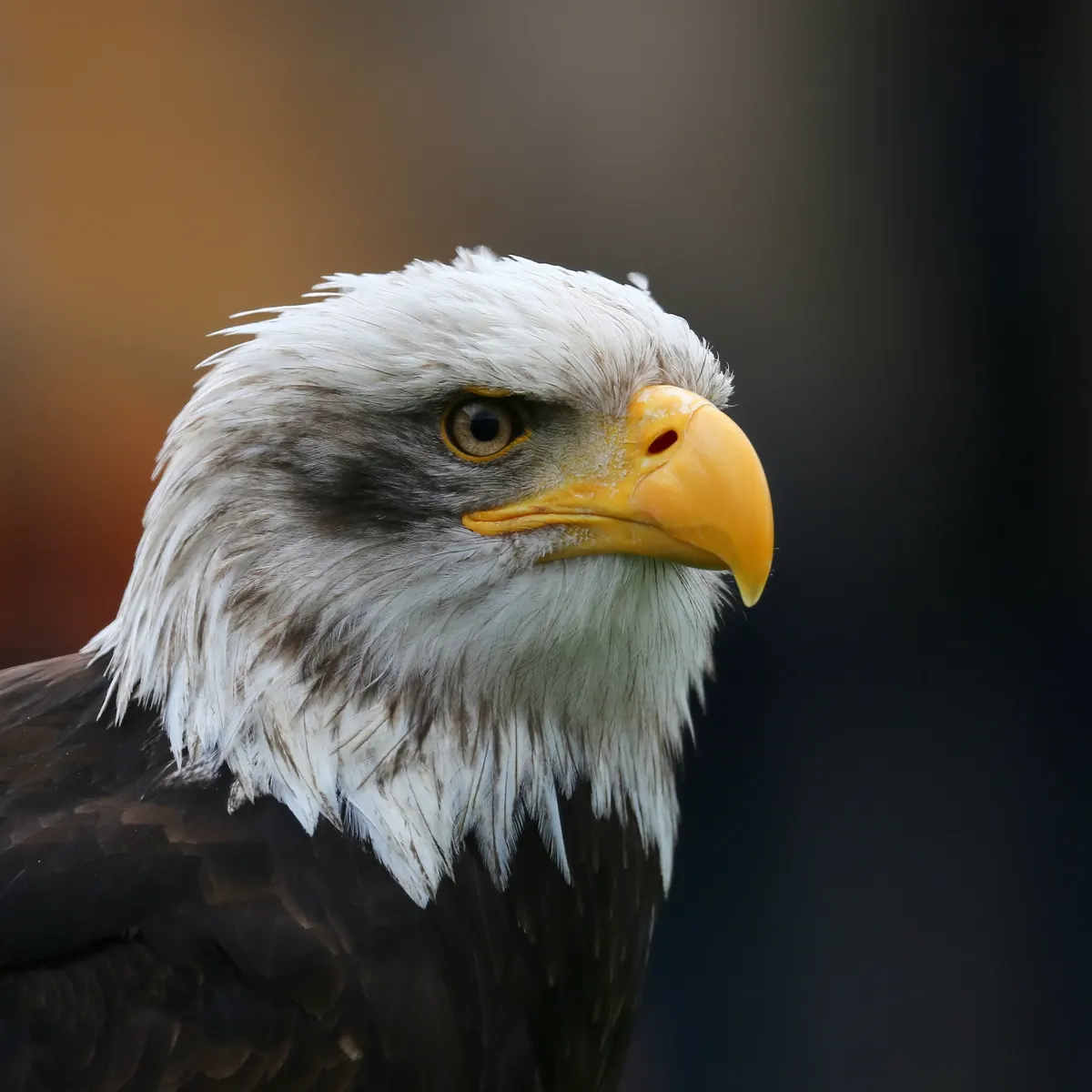
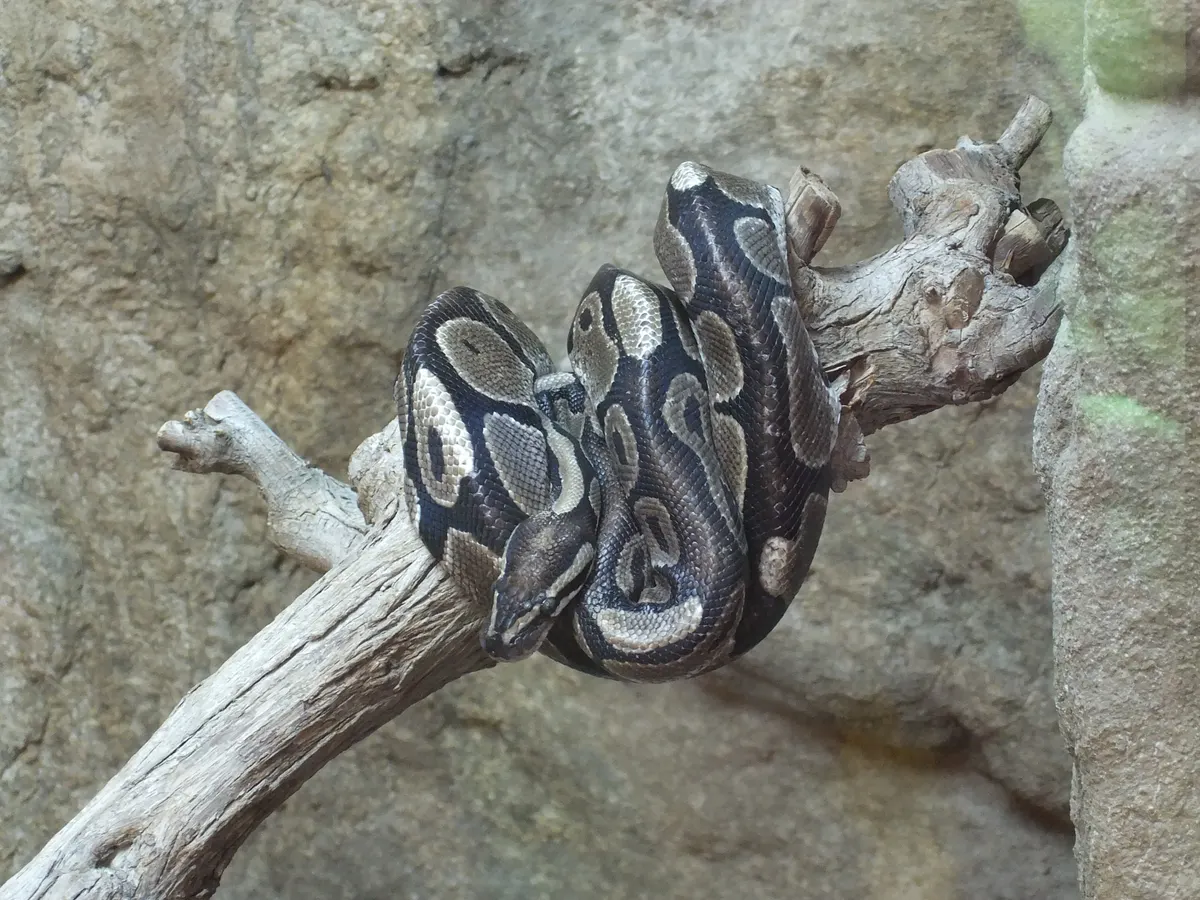
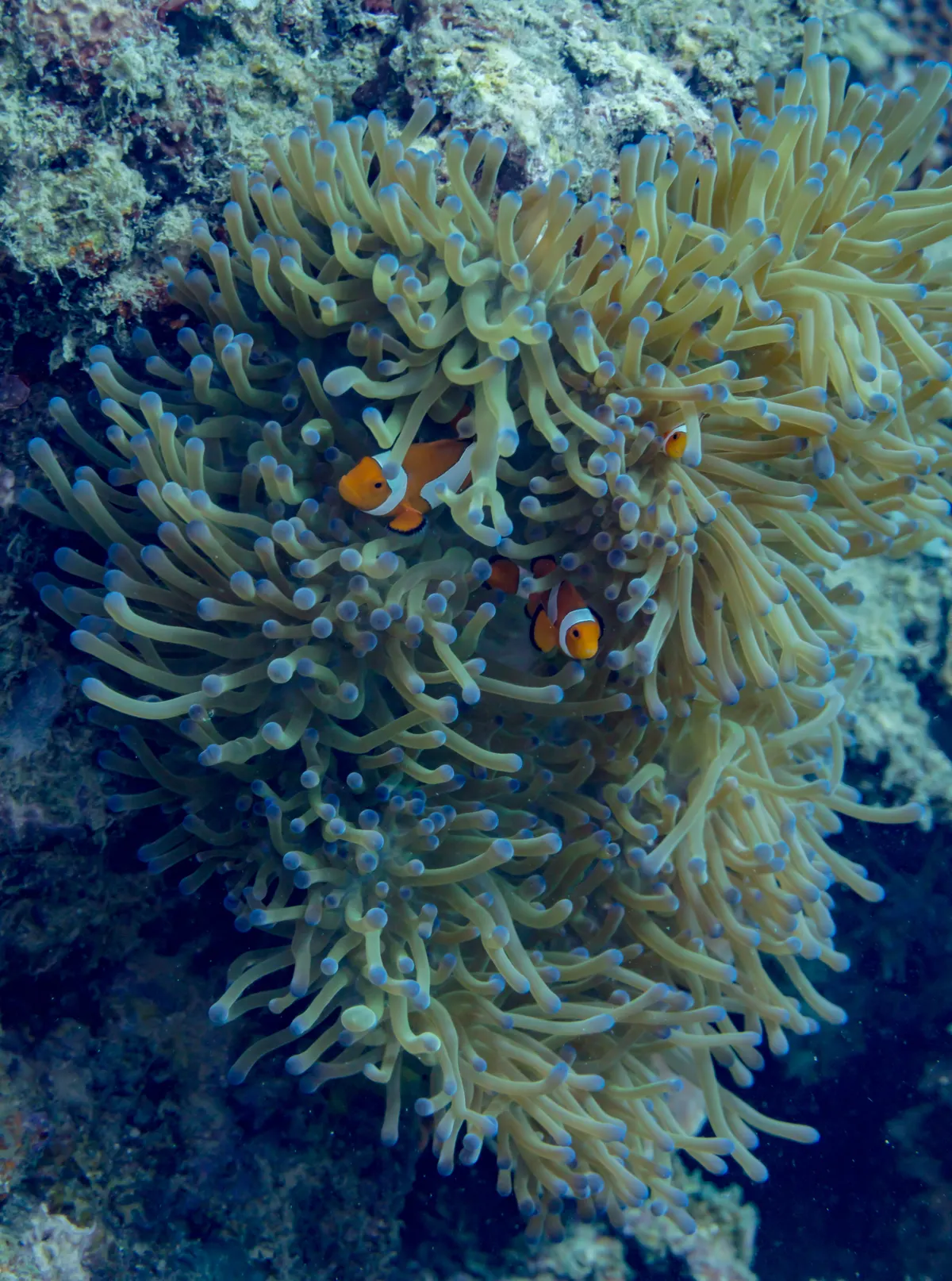
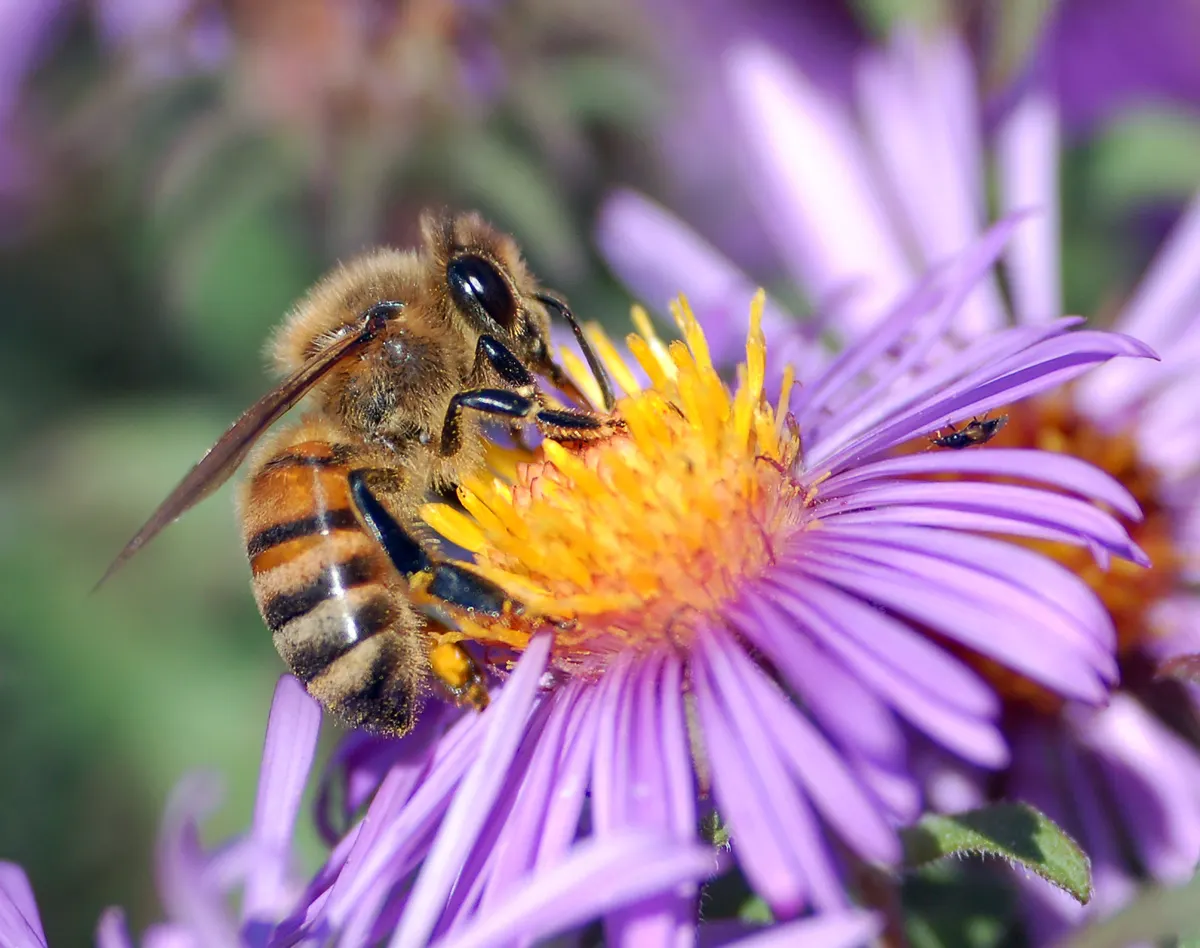
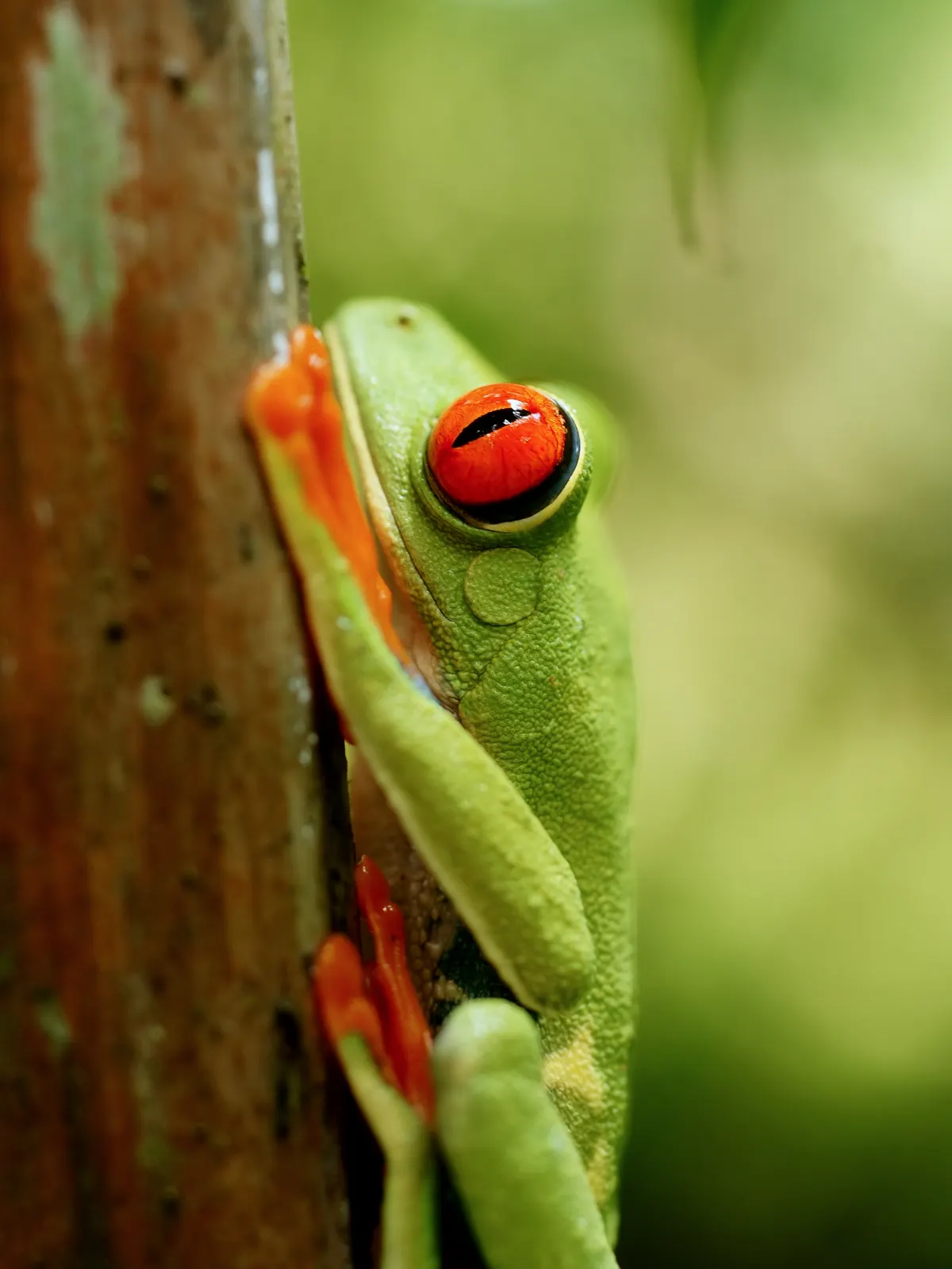
Male African lion resting on a rock in Namibia

Field Guide Expedition

Explore wildlife like a naturalist in the field

Photo-led animal profiles, quick taxonomy, and habitat trails for curious readers moving from one discovery to the next.

Explore by trail

Follow a route through habitats and diets

Every profile is filed three ways — by animal group, by habitat, and by diet — because that mirrors how species sort in the wild. Follow the habitat or diet routes below to find animals that share a place or a way of feeding, then open any profile for the full picture.

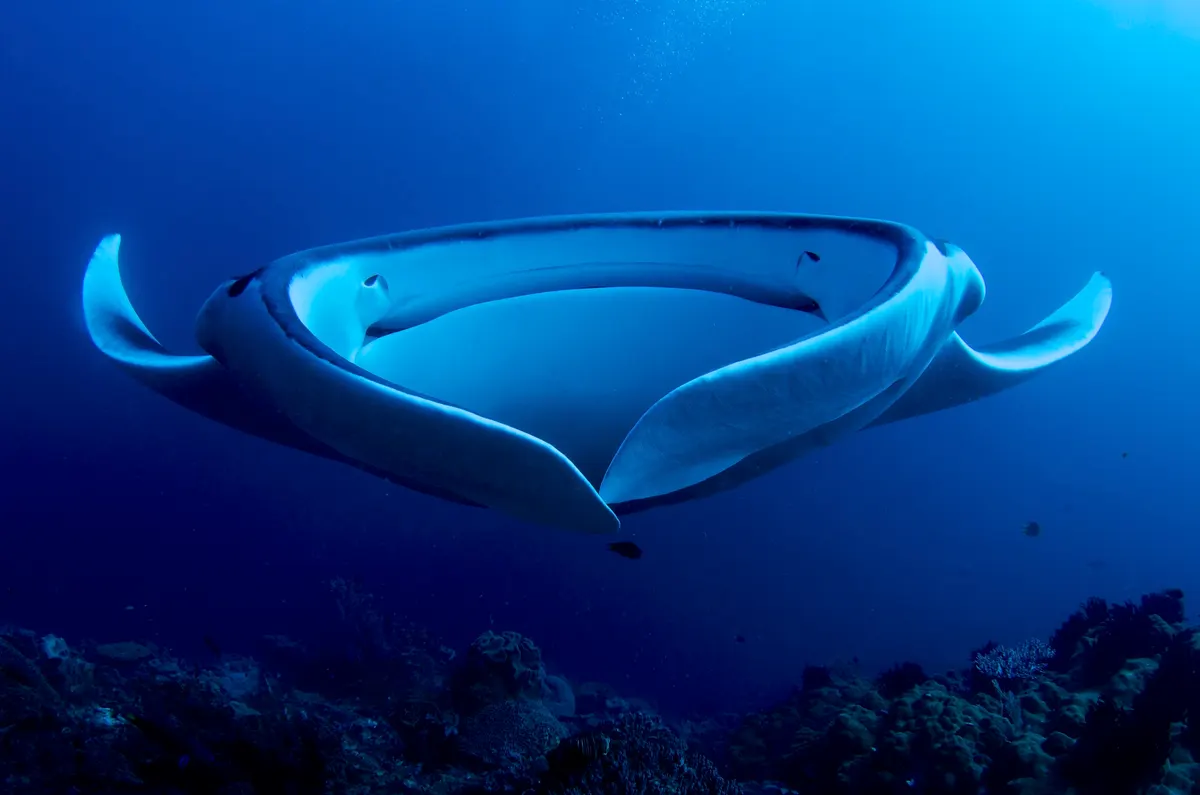
Giant oceanic manta ray gliding through deep blue waterAnimal of the dayGiant Oceanic Manta RayChondrichthyes

Today's field note

Giant Oceanic Manta Ray

Mobula birostris

Giant oceanic manta rays travel through tropical and temperate seas, filtering zooplankton with broad cephalic fins that guide water toward the mouth. Their slow reproduction and wide-ranging movements leave them exposed to targeted fishing and accidental capture.

Habitat

Ocean

Diet

Carnivore

Family

Mobulidae

Trend

Decreasing

Status

Endangered
Notebook margin

Notable animal facts

Featuring Giant Oceanic Manta Ray today

Handy highlights for quick reference, conversation, or the start of a lesson.

01
1

Manta rays have the largest brain-to-body ratio of any fish.

02
2

Their cephalic lobes help scoop food-rich water into the mouth.

03
3

Some manta rays leap fully out of the sea in a behavior called breaching.

04
4

They often gather at reef cleaning stations where small fish remove parasites.

05
5

A newborn manta pup can already have a wingspan of about 4 to 5 feet.

06
6

Manta rays do not have a stinging tail like some other rays.

Open data

Every measurement on this site, in one comparable table

Species pages state sizes the way a reader expects them — “46 pounds”, “3.5 feet”, “10 to 12 years”. Those are readable but not comparable, so each one is parsed into a single unit system. That makes the ranking on every species page a computed figure rather than a quoted one, and the whole table is published for anyone to check.

Species
178
Fields per species
26
Licence
CC BY 4.0

Field guide & reference

Skim for answers or read deeper

Clear photos, concise facts, and structured pages without clutter — whether you are comparing species, researching a question, or browsing out of curiosity.

01

Quick facts

For fast answers and quick stats.

02

Support pages

Detailed context for school reports.

03

Photo galleries

Curated high-quality images for talks.

04

Deep links

Connects creatures, habitats, and diets.